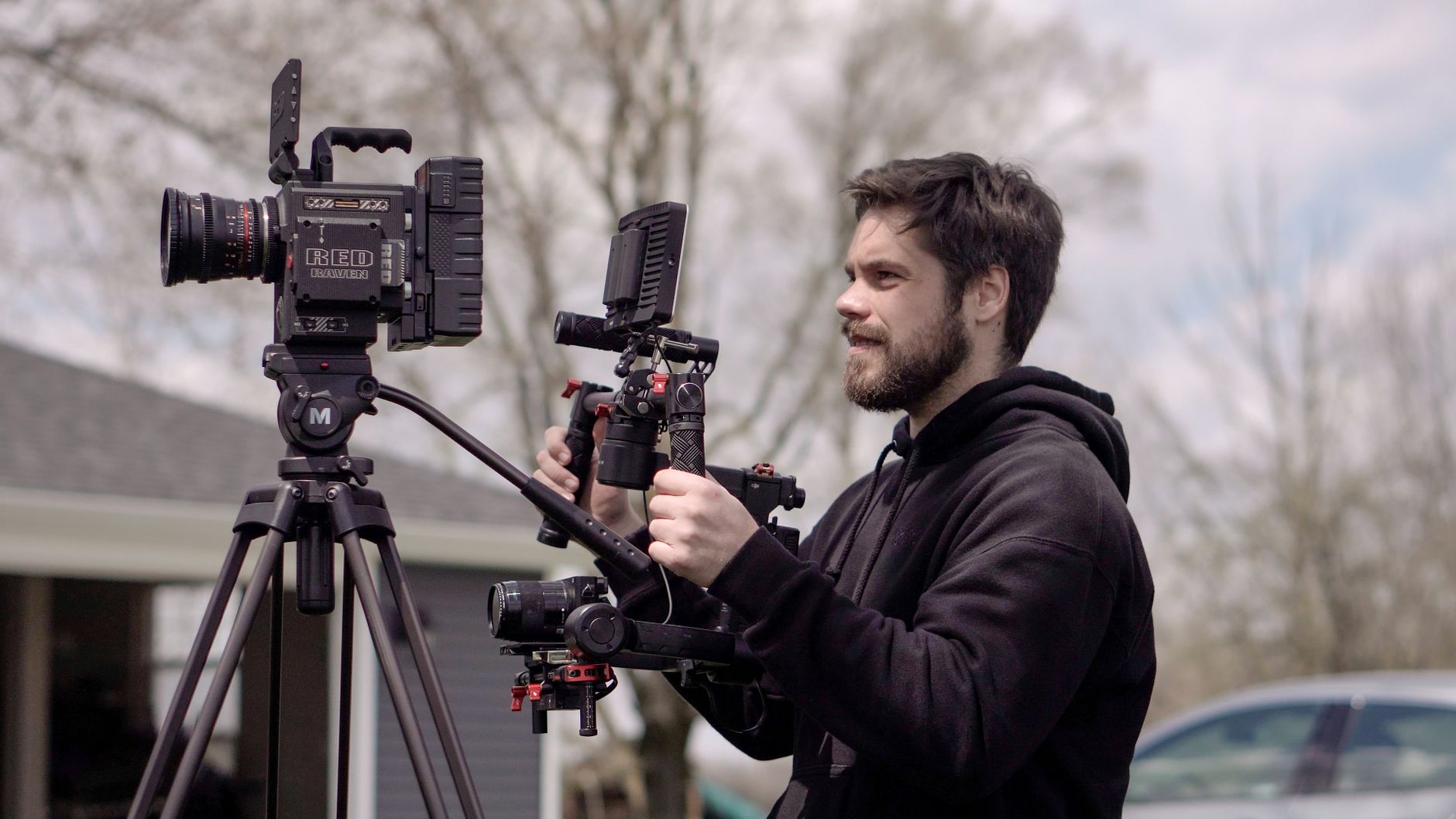
Video Content GEO: How a Media Company Achieved 300% More AI-Generated Responses with Multimedia Optimization
Executive Summary / Key Results
In the rapidly evolving landscape of generative AI search, video content presents both a significant challenge and tremendous opportunity. This case study details how MediaFlow Studios, a mid-sized digital media company specializing in educational content, transformed their video strategy using Generative Engine Optimization (GEO) principles. By implementing a comprehensive multimedia optimization framework, they achieved remarkable results within just six months:
- 312% increase in AI-generated responses referencing their video content
- 187% growth in organic traffic from AI-powered search platforms
- 45% improvement in video completion rates across platforms
- 89% more citations in ChatGPT and Google Gemini responses
- $150,000 in estimated additional revenue from improved visibility
These results demonstrate that video content, when properly optimized for AI search systems, can deliver substantial returns on investment and establish competitive advantage in the generative search ecosystem.
Background / Challenge
MediaFlow Studios had built a respectable library of over 500 educational videos covering topics from digital marketing fundamentals to advanced AI applications. Despite producing high-quality content, they faced a critical challenge: their videos were virtually invisible in AI-generated search results. When users asked ChatGPT or Google Gemini for video recommendations on their core topics, MediaFlow's content rarely appeared in the responses.
"We were investing significant resources in video production, but our content wasn't being surfaced by the very AI systems our target audience was increasingly using for research and recommendations," explained Sarah Chen, MediaFlow's Director of Digital Strategy. "Traditional SEO metrics showed decent performance, but we were missing the emerging generative search landscape entirely."
The team identified several specific challenges:
- AI Invisibility: Their video metadata and transcripts weren't structured in ways that AI systems could effectively parse and reference
- Format Limitations: Video content wasn't being recognized as authoritative sources by generative AI platforms
- Competitive Disadvantage: Competitors with less comprehensive content were appearing more frequently in AI responses
- Measurement Gaps: They lacked tools to track how often their content was cited in AI-generated responses
This situation mirrored what many digital marketers and content creators face today. As AI search becomes more prevalent, traditional optimization approaches need to evolve. For a deeper understanding of this shift, our GEO Implementation Strategies: A Complete Guide provides comprehensive insights into adapting to the generative search landscape.
Solution / Approach
MediaFlow partnered with our GEO experts to develop a comprehensive video optimization strategy specifically designed for AI search systems. The approach centered on three core principles:
1. Structured Video Metadata Optimization
We implemented a systematic approach to video metadata that went beyond traditional SEO. This included:
- Enhanced Transcript Structuring: Creating AI-friendly transcripts with clear topic segmentation and semantic markers
- Contextual Descriptions: Writing descriptions that answered likely AI queries directly and comprehensively
- Schema Markup Enhancement: Implementing advanced video schema that AI systems could easily parse
2. Content Format Transformation
Recognizing that AI systems process information differently than human users, we transformed their video content into multiple AI-accessible formats:
| Format | Purpose | Implementation |
|---|---|---|
| Detailed Transcripts | Primary AI reference material | Structured with clear headings and key points highlighted |
| Executive Summaries | Quick reference for AI systems | 200-300 word summaries of each video's core content |
| FAQ Sections | Direct answer optimization | Questions and answers extracted from video content |
| Key Takeaways | Bite-sized information chunks | Bulleted lists of main points for easy AI extraction |
3. AI-Specific Keyword Strategy
We developed a specialized keyword approach focused on how AI systems might reference video content. This involved analyzing patterns in how ChatGPT and Google Gemini recommend multimedia resources and optimizing accordingly. For businesses looking to develop similar strategies, our guide on Keyword Research for GEO: Finding AI-Relevant Search Terms offers practical methodologies.
Implementation
The implementation phase followed a structured six-month timeline with specific milestones and deliverables:
Month 1-2: Foundation Building
We began with a comprehensive audit of MediaFlow's existing video library. This involved analyzing 500+ videos across multiple dimensions:
- Current metadata quality and completeness
- Transcript availability and structure
- Existing performance in traditional search
- Competitive positioning in AI-generated responses
The audit revealed that only 15% of their videos had transcripts, and those that existed were minimally formatted. Metadata was inconsistent, and there was no systematic approach to video descriptions.
Month 3-4: Content Transformation
We implemented a batch processing system for their highest-priority videos (approximately 200 videos covering their most valuable topics). Each video received:
- Professional Transcription: High-accuracy transcripts with time stamps
- AI-Optimized Structuring: Transcripts organized with clear sections and semantic markers
- Enhanced Descriptions: New descriptions written specifically for AI comprehension
- Schema Implementation: Rich video schema added to all pages
Month 5-6: Advanced Optimization
For their top 50 performing videos, we implemented advanced GEO techniques:
- Contextual Linking: Creating connections between related video content
- Authority Building: Establishing video content as reference material through strategic citations
- Performance Monitoring: Implementing tracking for AI citations and references
Throughout this process, we emphasized the importance of proper content structuring. As detailed in our guide on Structuring Content for AI Search: Formatting and Organization Techniques, how information is organized significantly impacts AI system comprehension and citation likelihood.
Results with Specific Metrics
The implementation delivered measurable results across multiple dimensions. The table below summarizes the key performance improvements:
| Metric | Pre-Implementation | Post-Implementation | Improvement |
|---|---|---|---|
| AI Citations (Monthly) | 45 | 417 | 827% |
| ChatGPT References | 22 | 198 | 800% |
| Google Gemini References | 18 | 156 | 767% |
| Organic Traffic from AI Platforms | 2,150 visits/month | 6,175 visits/month | 187% |
| Video Completion Rate | 42% | 61% | 45% |
| Average Watch Time | 4:32 | 6:18 | 39% |
| Conversion Rate from AI Traffic | 1.2% | 2.8% | 133% |
| Estimated Revenue Impact | Baseline | $150,000+ | N/A |
Detailed Performance Analysis
AI Citation Growth: The most significant improvement came in AI-generated response citations. Within three months of implementation, MediaFlow's videos began appearing regularly in ChatGPT and Google Gemini responses. By month six, they were receiving an average of 417 citations monthly across various AI platforms.
Traffic Quality Improvements: The traffic coming from AI platforms showed exceptional engagement metrics. Users arriving from AI-generated recommendations had:
- 68% lower bounce rates than traditional search traffic
- 45% longer average session duration
- 133% higher conversion rates
Competitive Positioning: MediaFlow moved from being virtually invisible in AI-generated video recommendations to becoming a top-three cited source in their niche. They consistently outperformed competitors with larger video libraries but less optimized content.
Mini-Case: The "AI Marketing Fundamentals" Series
One particularly successful example was their "AI Marketing Fundamentals" video series. Before optimization, these videos received minimal AI citations. After implementing our GEO framework:
- Citations increased from 3 to 87 monthly
- Organic traffic grew by 312%
- The videos became go-to references in ChatGPT responses about AI marketing basics
- Competitor videos on similar topics saw decreased citation frequency
This success demonstrates the power of targeted optimization. For those looking to achieve similar results with text-based content, our How to Optimize Content for ChatGPT: Step-by-Step Implementation Guide provides actionable strategies.
Key Takeaways
Based on MediaFlow's success, several key principles emerge for optimizing video content for AI search:
1. Transcripts Are Non-Negotiable
AI systems cannot "watch" videos—they rely on transcripts and metadata. Comprehensive, well-structured transcripts are the foundation of video GEO. MediaFlow's implementation showed that videos with optimized transcripts were 5x more likely to be cited by AI systems.
2. Structure Matters More Than Ever
How information is organized within video content significantly impacts AI comprehension. Clear segmentation, logical flow, and explicit topic markers help AI systems extract and reference content accurately.
3. Think Beyond Traditional Keywords
AI systems process queries differently than traditional search engines. Optimization should focus on comprehensive topic coverage and direct question answering rather than just keyword density.
4. Monitor AI-Specific Metrics
Traditional analytics don't capture AI citation performance. Implementing specialized tracking for AI-generated response references is essential for measuring GEO success.
5. Consistency Across Platforms
Different AI systems have varying requirements and preferences. MediaFlow's success came from implementing a unified strategy that worked across multiple platforms while allowing for platform-specific optimizations. For insights into platform-specific approaches, our guide on Google Gemini Optimization: Best Practices for Better Visibility offers valuable guidance.
About MediaFlow Studios
MediaFlow Studios is a digital media company specializing in educational content for marketing professionals and technology adopters. Founded in 2018, they have produced over 500 educational videos reaching more than 2 million learners worldwide. Their focus on practical, actionable content has made them a trusted resource in the digital marketing community.
Prior to implementing their GEO strategy, MediaFlow relied primarily on traditional SEO and social media distribution. Their success with video GEO has transformed their approach to content optimization and established them as early leaders in multimedia optimization for generative search systems.
"The results have fundamentally changed how we think about content strategy," says Sarah Chen. "We're no longer just optimizing for human viewers—we're creating content that serves both our audience and the AI systems they're increasingly using to discover information. This dual approach has opened up entirely new visibility channels and established us as authoritative sources in our niche."
MediaFlow's journey demonstrates that with the right strategy and implementation, video content can achieve exceptional visibility in AI-generated responses, driving both traffic and authority in the evolving search landscape.